
Across Canada, interest in rural living has surged in recent years. Larger properties, quieter surroundings, and a greater sense of independence have drawn buyers away from densely populated areas. For many, purchasing land outside the city represents an opportunity to build a custom home and embrace a different lifestyle.
But for a growing number of buyers, that vision is hitting an unexpected obstacle. Despite owning land, some are discovering they can’t actually build on it. The issue isn’t zoning or accessit’s what lies beneath the surface. Septic system limitations are quietly turning otherwise desirable properties into unbuildable lots.
The Invisible Requirement for Rural Development
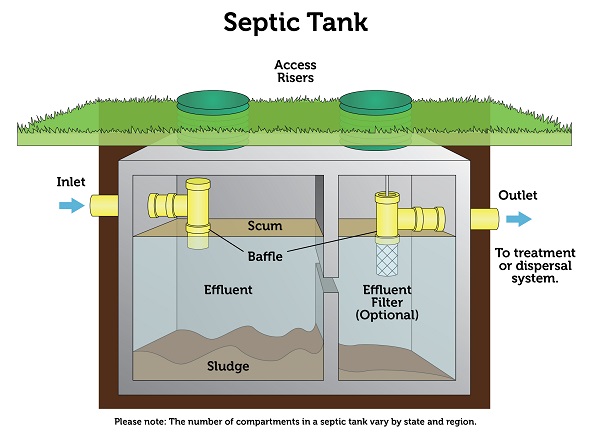
Unlike urban properties that connect to municipal sewer systems, rural homes rely on on-site wastewater solutions. Septic systems are the most common option, designed to safely treat and disperse wastewater into the surrounding soil.
However, septic systems don’t work everywhere. Their performance depends entirely on site conditions, many of which aren’t visible without proper testing. Soil type, groundwater levels, and available space all play a critical role in determining whether a system can be installed.
This creates a situation where land that appears perfectly suitable for construction may fail to meet the requirements needed for wastewater management.
Why Some Properties Fail Septic Approval
One of the most common reasons land becomes unbuildable is poor soil composition. For a septic system to function properly, wastewater must be able to filter through the soil at a controlled rate. If the soil is too densesuch as clayit won’t absorb water effectively. If it’s too loose, like sandy soil, wastewater may pass through too quickly without proper filtration.
Groundwater levels are another major factor. When the water table is too high, there isn’t enough vertical separation for wastewater to be treated safely before it reaches groundwater sources. This increases the risk of contamination and often leads to permit denials.
Lot size can also be a limiting factor. Many properties must accommodate both a primary septic system and a designated replacement area. Smaller lots may not have the space required to meet these regulations, especially when environmental setbacks are taken into account.
Additional restrictions may apply near sensitive ecosystems such as wetlands or water bodies, where stricter environmental protections are enforced. In these cases, even minor limitations can prevent a system from being approved.
The Financial and Practical Impact
For buyers who aren’t aware of these constraints, the consequences can be significant. Purchasing land without confirming septic feasibility can result in unexpected costs, delays, or, in some cases, complete project failure.
Even when a property doesn’t qualify for a conventional septic system, alternative solutions may still be available. Engineered systems are designed to handle challenging conditions, but they come at a much higher cost. Installation expenses can easily climb into the tens of thousands, depending on the complexity of the site.
Beyond cost, there are also time considerations. Additional testing, redesigns, and approval processes can delay construction timelines considerably. For those planning to build quickly, this can disrupt budgets and long-term plans.
A Growing Issue in Rural Canada
As more people look to rural areas for housing opportunities, the demand for land is increasing. However, not all available land was intended for residential use. Parcels that were once used for agriculture or left undeveloped may not meet modern requirements for septic systems.
At the same time, environmental standards have become stricter. Protecting groundwater and preventing contamination is a priority, particularly in areas where private wells are common. As a result, approval processes are more thorough, and fewer properties meet the necessary criteria without additional work.
Climate-related factors are also influencing septic suitability. Changes in rainfall patterns, seasonal flooding, and shifting groundwater levels can all impact soil conditions. Land that may have been viable in the past could now require additional evaluation or upgrades.
What Buyers Should Do Before Purchasing Land
Given these challenges, it’s essential for buyers to conduct proper due diligence before purchasing rural property. One of the most important steps is to assess whether the land can support a septic system.
This typically involves soil testing and percolation testing to determine how well the ground can absorb and treat wastewater. These evaluations provide critical information about the feasibility of construction and the type of system that may be required.
Many buyers are also turning to experienced professionals to guide them through the process. Working with providers like Ottawa Septic Systems can help identify potential issues early and ensure that all necessary assessments are completed before major decisions are made.
Understanding site conditions in advance allows buyers to make informed choices, avoid unexpected costs, and plan their projects more effectively.
Rethinking Land Value and Usability
Septic limitations are also changing how rural properties are valued. Land that cannot support a wastewater system has limited potential for residential development, which can significantly impact its market appeal.
On the other hand, properties that have been properly evaluated and approved for septic installation are becoming more desirable. Buyers are increasingly prioritizing land that is ready for development, rather than taking on the risk of unknown conditions.
This shift highlights the importance of infrastructure in determining land usability. While location and size remain important, the ability to safely manage wastewater is now a key factor in whether a property can fulfill its intended purpose.
A Hidden Factor That Can’t Be Ignored
The appeal of rural living continues to grow, but it comes with complexities that are often overlooked. Septic system requirements may not be immediately visible, but they play a decisive role in whether a property can be developed.
For prospective buyers, understanding these limitations is essential. What appears to be the perfect piece of land can quickly become a costly mistake without proper evaluation.
As awareness of these issues increases, so does the need for careful planning. In rural Canada, building a home isn’t just about what you see above ground it’s also about what the land can support below it.